May 28, 2026
RIN Management for RNG Matters More Than Ever Post-BRRR
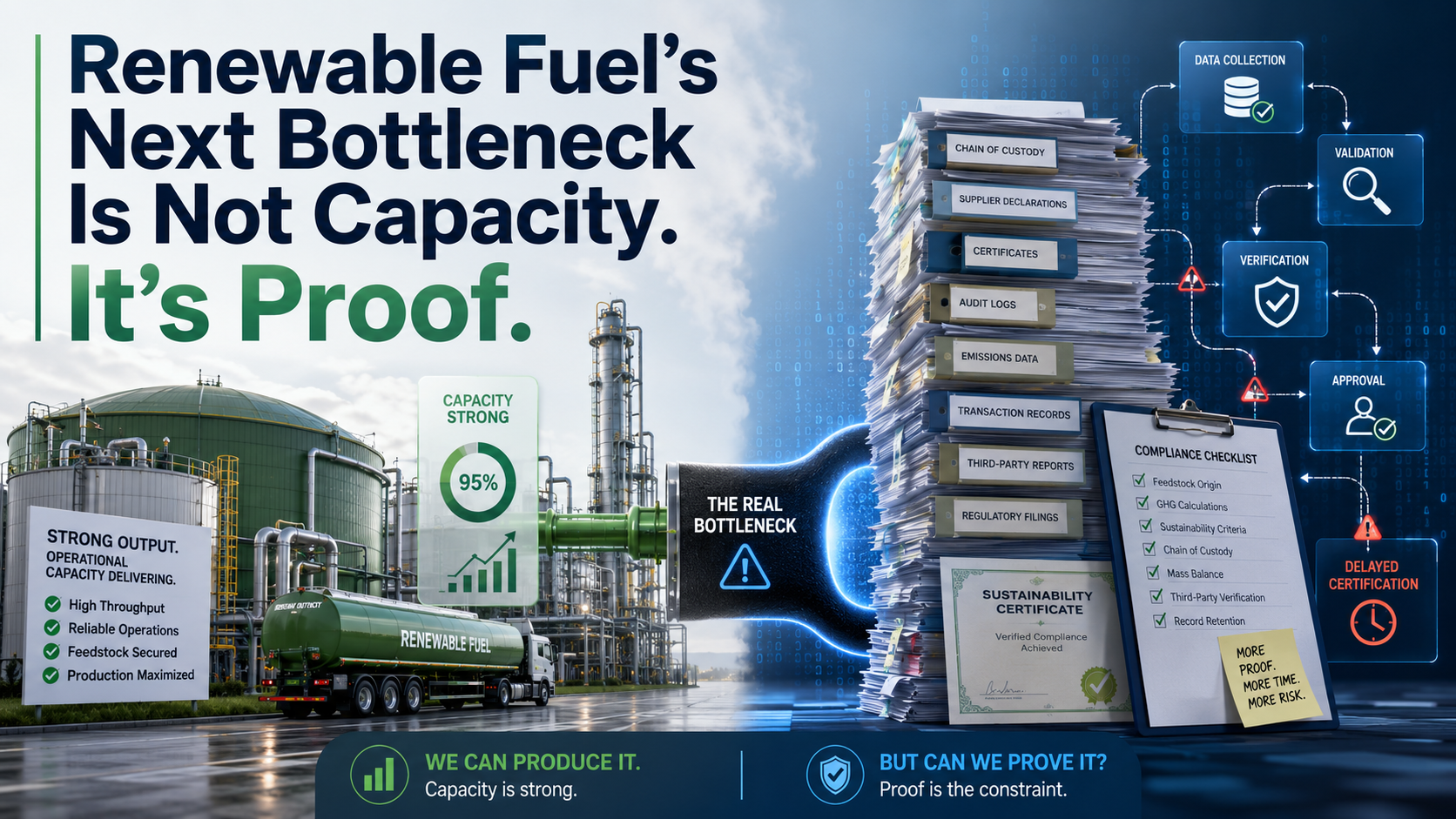
For years, RNG producers and their commercial partners operated under a single, relatively familiar regulatory framework: 40 CFR Part 80 Subpart M, the general RFS rules. The Biogas Regulatory Reform Rule (BRRR) changed that calculus. EPA has now layered in Subpart E—a dedicated ruleset specifically covering biogas-derived renewable fuel—introducing new requirements for RNG producers, RNG RIN separators, pathway transfer documents (PTDs), recordkeeping, attest engagements, quality assurance programs (QAPs), and the treatment of potentially invalid RINs.