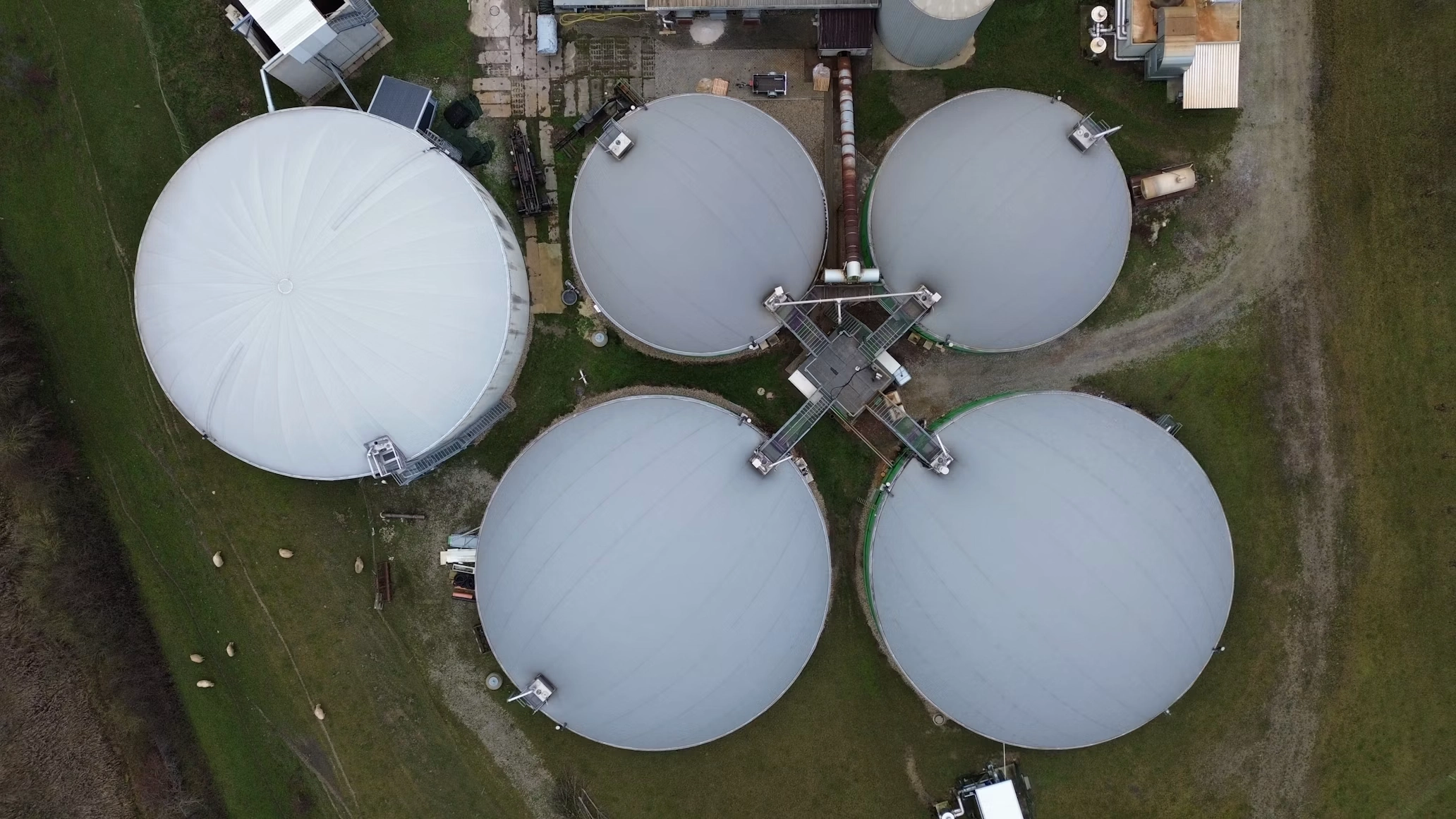
Canada's Clean Fuel Regulations (CFR) are set to undergo some changes that may impact RNG producers and other businesses in the low-carbon fuel market. Environment and Climate Change Canada (ECCC) published the proposed changes in the Canada Gazette on October 31, 2026. The CFR sets renewable fuel standards for the production of low-carbon fuels.
Some of the key proposals include additional compliance credits for eligible Canadian-produced RNG, changes to the use of gaseous-fuel credits and greater flexibility around carbon-intensity requirements. While these changes are not yet final, they could influence how producers participate in Canada's clean fuel credit market.
Understanding Canada's Clean Fuel Regulations
Canada's Clean Fuel Regulations are designed to reduce the lifecycle carbon intensity (CI) of transportation fuels used in the country. They require primary fuel suppliers, including gasoline and diesel producers and importers, to meet annual emissions-reduction requirements.
Companies can meet these requirements by reducing the carbon intensity of their fuels or by creating and purchasing compliance credits from eligible activities.
RNG is one of the low-carbon fuels that can generate credits under the programme. When produced from organic waste, agricultural residues and other eligible feedstocks, RNG may have a lower lifecycle emissions profile compared to conventional natural gas, depending on how it is produced.
The number of credits generated depends on factors such as fuel volume, carbon intensity and the applicable regulatory requirements. More information is available in the official Clean Fuel Regulations.
Key Proposed Changes for RNG Producers
For RNG producers, several proposed changes stand out.
1. Canadian and Imported RNG: Different Credit Treatment
The proposal retains the existing 10% limit on the use of gaseous-fuel compliance credits but reserves at least half of that allowance for credits generated from eligible Canadian-produced biogas, RNG, hydrogen and renewable propane.
This means imported gaseous-fuel credits could account for up to the remaining 5% of a supplier's total emissions-reduction requirement.
For U.S. RNG producers supplying the Canadian market, this could affect the availability of compliance opportunities for imported gaseous-fuel credits. Importantly, this is a limit on credit use by Canadian fuel suppliers, not a direct cap on RNG imports.
2. Additional Credits for Eligible Canadian RNG
The proposal introduces additional related compliance credits for eligible Canadian-produced low-carbon fuels.
For qualifying Canadian-produced RNG under the applicable vehicle-fuel pathway, the proposed 0.4 related-credit factor would bring the total credit value to 1.4 times the underlying qualifying credits.
This additional value is intended to improve the competitiveness of domestic RNG production. However, it does not apply automatically to all Canadian RNG volumes or to imported RNG. Producers will need to meet the applicable eligibility and pathway requirements.
3. A Lower Default Carbon Intensity for Biogas and RNG
The proposed amendments set a default carbon intensity of 61 gCO₂e/MJ for biogas, RNG and hydrogen not produced from fossil fuels. This is lower than the general default value of 77 gCO₂e/MJ for other fuels in 2026 under the current framework.
This could be relevant for eligible projects using the default value while pursuing approval of a project-specific carbon intensity. However, the default value should not be confused with an approved project-specific CI, which depends on the applicable pathway and supporting information.
4. More Flexibility in Managing Project-Specific CI Pathways
The proposal would double certain thresholds that determine when an approved carbon intensity becomes invalid or when a producer can apply for a revised CI value.
For established pathways, this could reduce the likelihood that normal variations in reported carbon intensity trigger a new application. The proposal also eliminates some duplicate third-party verification where the same information has already been checked.
It could be easier for producers to complete, but still keep the requirement of robust emissions data and supporting documentation.
What Could These Changes Mean for U.S. RNG Producers?
For U.S. RNG producers, Canada would remain a market worth evaluating, but the commercial considerations could change.
The proposed additional credit value for qualifying Canadian-produced RNG creates a different competitive position for domestic producers. At the same time, the reserved portion of the gaseous-credit allowance could influence the opportunities available for imported credits.
Carbon intensity would stay as a key factor, but location of production, credit eligibility, limits on the amount of credits that can be used, and the potential value of establishing a project-specific CI could have a greater impact on CFR opportunities.
Producers considering the Canadian market should review the applicable pathways, understand the documentation requirements and assess how the proposed changes could affect potential offtake arrangements.
How Rimba Supports Canadian CFR Compliance?
For producers managing Canadian CFR compliance, keeping fuel volumes, material balances and supporting records organised is an important part of reporting and verification.
Rimba supports the organization of the data sets associated with the quantity of low-carbon fuel and material balances, and the reporting of associated data sets for carbon intensity calculation and third-party verification.
By bringing relevant records together, producers can make it easier for their teams and reviewers to trace information, identify gaps and prepare supporting evidence. Rimba supports the data organization process; it does not replace independent verification or determine credit eligibility.
Learn more about Rimba's Canadian CFR compliance support.
What Happens Next?
These amendments are still proposed and have not yet come into effect as regulations. They were posted in the Canada Gazette, Part I, on October 31, 2026, and are open for 75 days for public consultation until January 14, 2027.
Producers, fuel suppliers and other interested parties can review the proposed amendments and provide feedback to ECCC during the consultation.
For RNG producers, the proposal is an important development to monitor. Understanding the differences in credit eligibility, carbon intensity and domestic versus imported fuel treatment will help businesses assess potential opportunities as Canada's clean fuel market continues to evolve.
Source: Environment and Climate Change Canada – Proposed amendments to the Clean Fuel Regulations.